

 See My Latest Article on HelloNation

Choosing a general contractor is not only about comparing prices. The right questions can reveal whether a contractor understands the project, follows required rules, communicates clearly, and has a reliable plan for handling unexpected problems.
For residents in Somerset, KY, local conditions can affect construction schedules and costs. Seasonal rain, winter temperature changes, older housing, rural access, drainage concerns, and permit requirements may all influence the work. A careful conversation before signing anything can prevent many avoidable disputes.
Is the contractor properly identified and qualified for this type of work?
Ask for the contractor’s legal business name, physical mailing address, phone number, and the name of the person responsible for the project. Then ask how long the business has handled work similar to yours.
Kentucky does not have one universal statewide license for every residential general contractor, so a contractor’s claim of being “licensed” should be clarified. Some types of work, including electrical, plumbing, and HVAC work, may involve separate licensing or qualification requirements. The contractor should be able to explain which trades will perform those portions of the project and who is responsible for compliance.
For work within Somerset city limits, contractors and subcontractors may need a city business license, occupational tax registration, liability insurance, and workers’ compensation coverage. The city’s building inspection information also calls for contractor and subcontractor details as part of the permit process. ([cityofsomerset.com](https://www.cityofsomerset.com/building-inspection/?utm_source=openai))
Useful questions include:
- What type of construction or remodeling work do you handle most often?
- Which parts of this project will be performed by subcontractors?
- Are the required business licenses and insurance current?
- Can you provide certificates of insurance directly from the insurer?
Insurance should not be treated as a formality. Ask whether the policy covers property damage, bodily injury, and workers who may be injured at the site.
Who will actually supervise the project?
The person providing the proposal may not be the person visiting the property. Ask who will be present regularly, who will coordinate subcontractors, and who will answer questions during construction.
This matters especially for occupied homes. A project may involve dust, temporary loss of water or electricity, blocked entrances, noise, and changes to daily routines. A clear supervisor can help resolve small problems before they become delays.
Ask:
- Who is the primary on-site contact?
- How often will progress be checked?
- Who approves changes?
- How will schedule updates be communicated?
- What happens if the supervisor or a key subcontractor is unavailable?
Written communication is usually preferable for decisions involving cost, materials, design changes, or timing.
What exactly is included in the written proposal?
A useful proposal should describe the work in enough detail that two people can understand what is and is not included. A single total price without a scope of work makes comparison difficult.
The proposal should address:
- Demolition and disposal
- Structural repairs
- Framing and exterior work
- Windows and doors
- Roofing or weatherproofing
- Electrical, plumbing, and HVAC work
- Insulation and drywall
- Cabinets, flooring, paint, and finish materials
- Cleanup and final disposal
- Permit fees and inspection-related costs
Ask whether materials are specified by brand, model, grade, size, or performance standard. “Owner selection” or “allowance” items deserve special attention because the final price may change depending on the selections made.
For older homes, ask whether the proposal assumes that walls, floors, foundations, or wiring will be in acceptable condition. Hidden damage is common in renovation work, but the contract should explain how concealed conditions will be documented and priced.
Who obtains permits and schedules inspections?
The answer should be clear before work begins. In Somerset, regulated construction generally requires a separate building permit for each applicable structure or project, and permit materials may include drawings, contractor information, insurance documentation, and business license information. ([cityofsomerset.com](https://www.cityofsomerset.com/building-inspection/?utm_source=openai))
Ask:
- Which permits are required?
- Who applies for them?
- Are permit fees included in the contract?
- Who schedules inspections?
- Will copies of permits and inspection results be provided?
- What happens if an inspection identifies corrective work?
A contractor who suggests skipping a permit to save money may be creating a larger problem. Unpermitted work can affect safety, insurance claims, future remodeling, property records, and the ability to sell or refinance a home.
Kentucky’s construction requirements are based on statewide building and residential codes, with local building officials handling inspections where a local program exists. ([dhbc.ky.gov](https://dhbc.ky.gov/newstatic_info.aspx?static_id=297&utm_source=openai))
How will changes and unexpected costs be handled?
Construction rarely proceeds without questions or adjustments, but changes should not be handled casually. Ask for a written change-order process before signing the contract.
A change order should state:
- What work or material is changing
- Why the change is needed
- The added or reduced cost
- The effect on the schedule
- Who must approve it
- Whether payment is required before the change begins
Be cautious about verbal promises such as “that should be included” or “the price will probably stay about the same.” If the change affects the contract, it should be recorded.
Also ask how the contractor handles hidden conditions such as water damage, unstable framing, drainage issues, buried debris, or outdated utility connections. A fair process allows the issue to be documented, reviewed, and approved before additional work proceeds whenever practical.
What is the payment schedule?
The payment schedule should correspond to measurable progress rather than relying on vague dates. Ask how much is required upfront, what milestones trigger payments, and whether retainage or final payment depends on completion of listed items.
Avoid paying the full contract amount before the work is complete. Keep records of payments, receipts, approved changes, and invoices.
Ask whether the contractor pays subcontractors and suppliers directly. In Kentucky, homeowners should understand that unpaid project participants may create payment disputes or lien-related concerns, even when the homeowner has paid the general contractor. A written contract and organized payment records are essential.
The Kentucky Attorney General recommends that home-improvement agreements identify the contractor and address matters such as permits, costs, and project responsibilities. ([ag.ky.gov](https://www.ag.ky.gov/Resources/Consumer-Resources/Consumers/home/Pages/home-improvement.aspx?utm_source=openai))
What is the realistic timeline?
A start date is not the same as a completion date. Ask for a practical schedule that identifies major phases and likely dependencies.
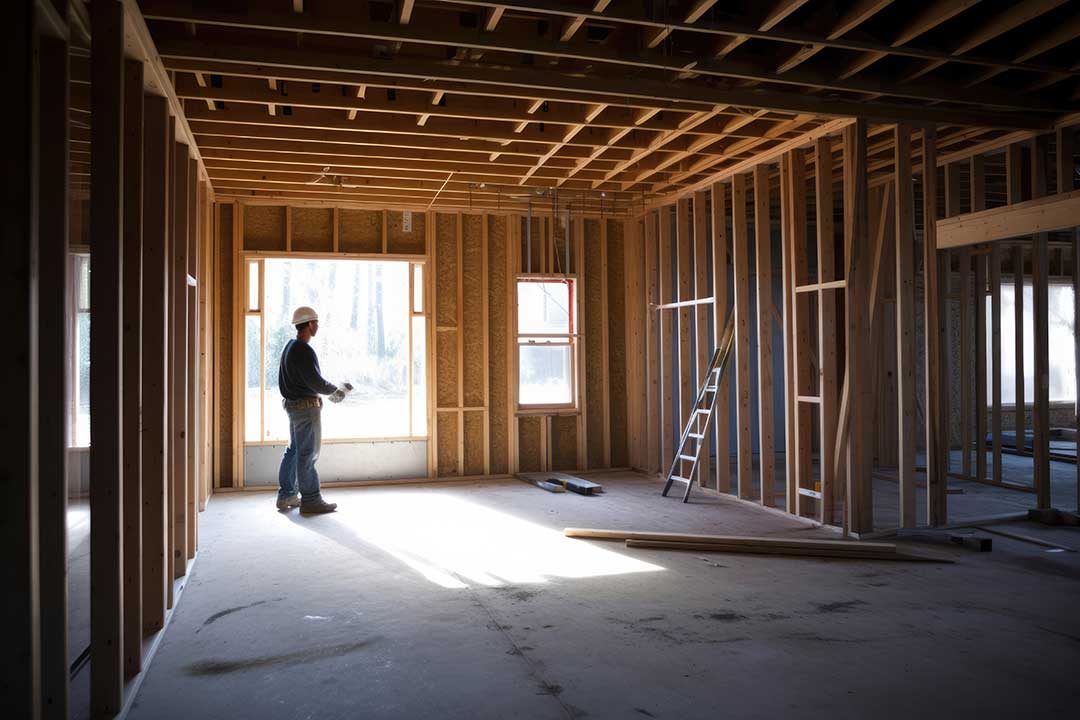
Weather can affect excavation, concrete, roofing, exterior painting, and other outdoor work. Material availability, inspections, subcontractor scheduling, and hidden repairs can also cause delays.
Ask:
- When could work realistically begin?
- Which tasks depend on weather?
- Which materials must be selected early?
- What events could delay completion?
- How will schedule changes be communicated?
- Is there a daily or weekly cleanup plan?
A responsible contractor should be willing to discuss uncertainty rather than promise an unrealistically short schedule.
Can the contractor provide relevant references?
References are most useful when they involve similar work, similar property conditions, and projects completed recently enough for the homeowner to remember the experience.
Ask references about:
- Whether the original scope changed significantly
- How well the contractor communicated
- Whether the project finished near the stated timeline
- How payment disputes were handled
- Whether cleanup was satisfactory
- How warranty or correction issues were addressed
It can also be useful to view completed work when permission is given, but appearance alone does not reveal whether the project was well managed.
What warranty or correction policy applies?
Ask what the contractor will do if workmanship problems appear after completion. The answer should distinguish between contractor workmanship, manufacturer warranties, and damage caused by ordinary wear or unrelated conditions.
The contract should identify:
- Warranty duration
- Covered defects
- Exclusions
- How a correction request must be submitted
- Expected response time
- Responsibility for manufacturer warranty claims
Before final payment, create a written punch list of incomplete or defective items. Final payment should follow the contract terms and should not be based solely on a verbal assurance that unfinished work will be completed later.
What warning signs deserve caution?
A contractor may deserve additional scrutiny if they:
- Refuse to provide a written scope of work
- Demand full payment before substantial work begins
- Pressure the homeowner to sign immediately
- Discourage permits or inspections
- Cannot explain who will perform specialized trades
- Give an unusually low price without identifying exclusions
- Avoid discussing insurance or subcontractors
- Request payment only in cash
- Change the price repeatedly without written documentation
No single warning sign proves that a contractor is unreliable, but several together justify slowing down and gathering more information.
The strongest hiring decision is usually based on a complete written scope, understandable payment terms, verified insurance, a realistic schedule, clear responsibility for permits, and a communication process that both sides understand before work starts.